Solvent Recovery Systems, Parts Washers, and Water Recovery Systems For All Industrial Needs
NexGen Enviro Systems delivers advanced solvent and water recovery systems that help manufacturers reduce waste, cut costs, and operate more sustainably.
NexGen Enviro Systems delivers advanced solvent and water recovery systems that help manufacturers reduce waste, cut costs, and operate more sustainably.
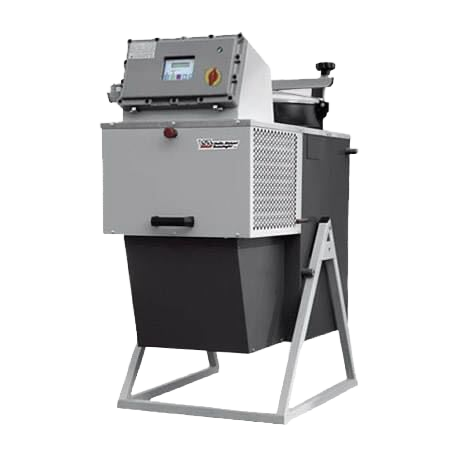
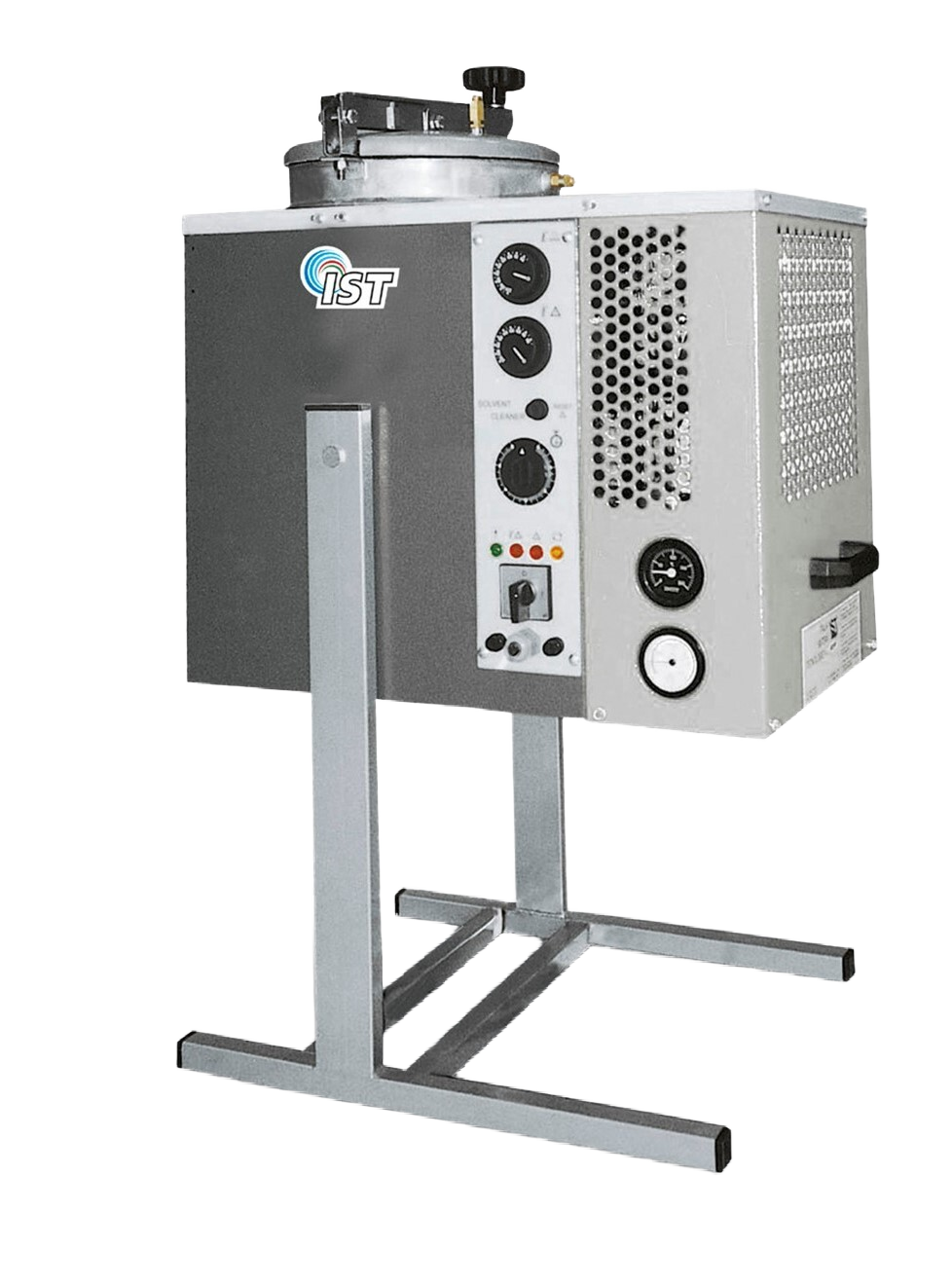
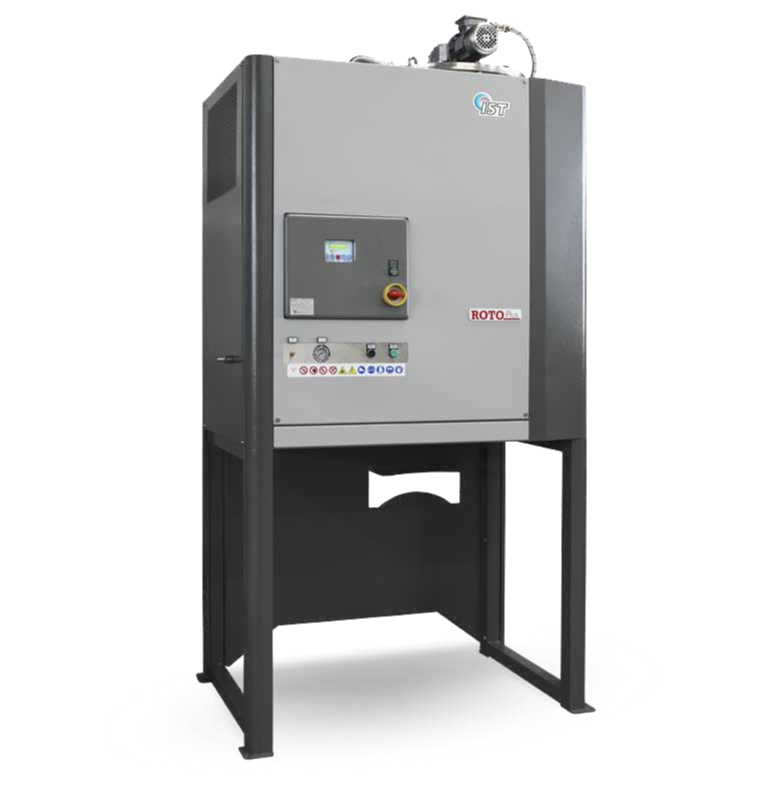
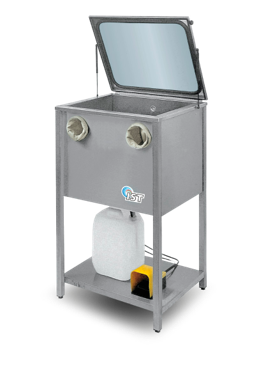
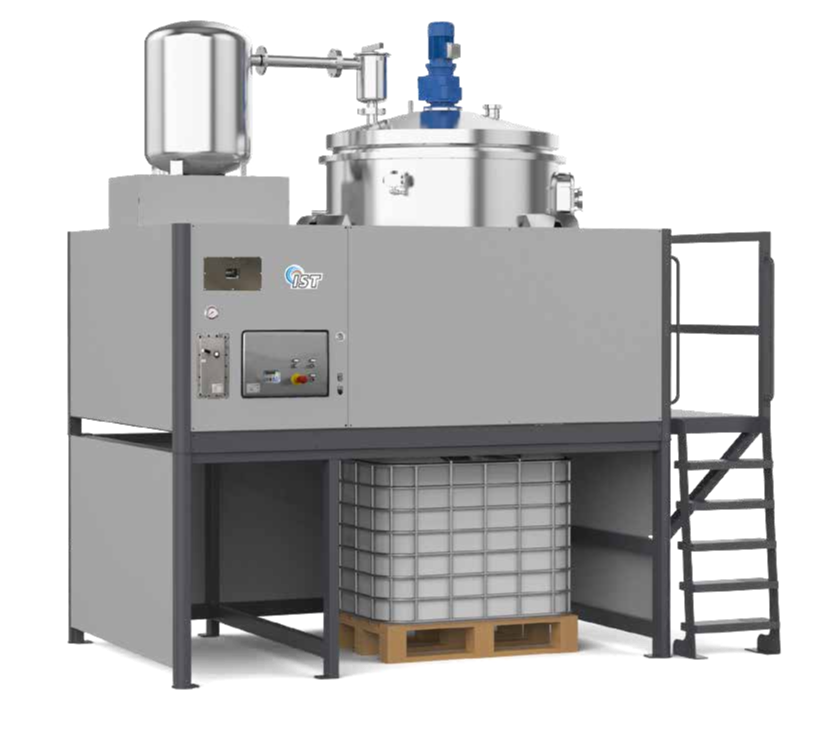
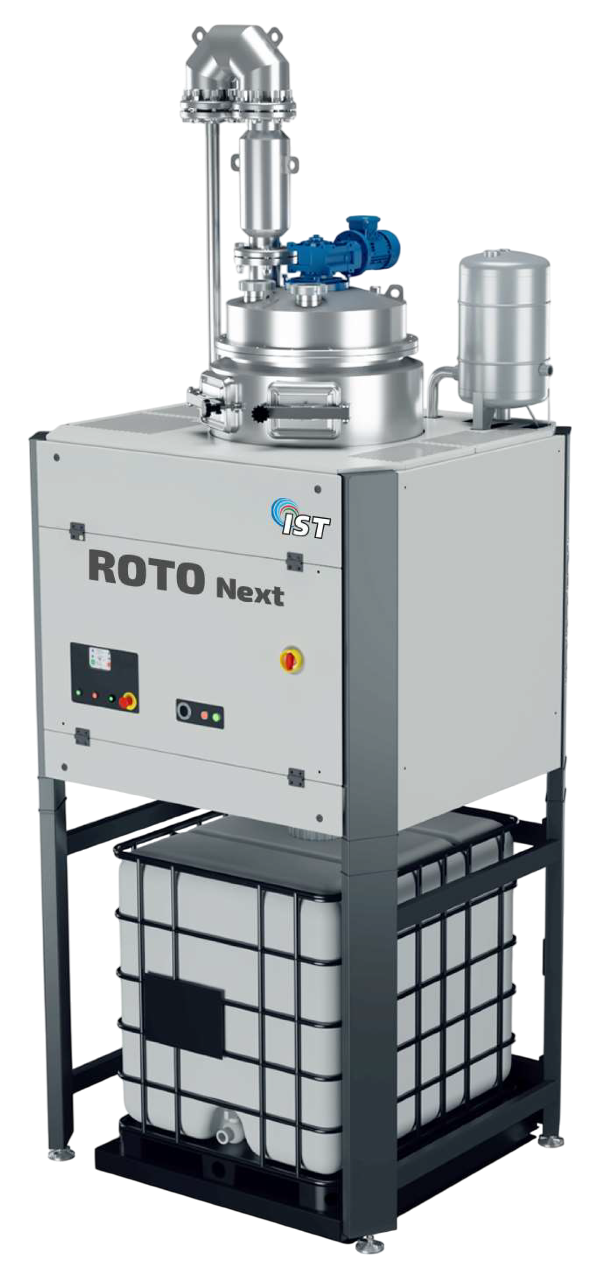
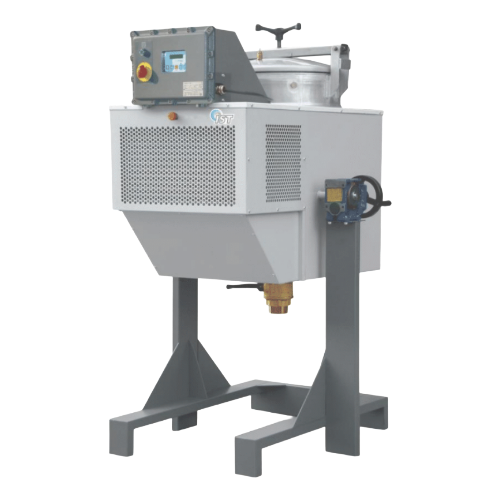
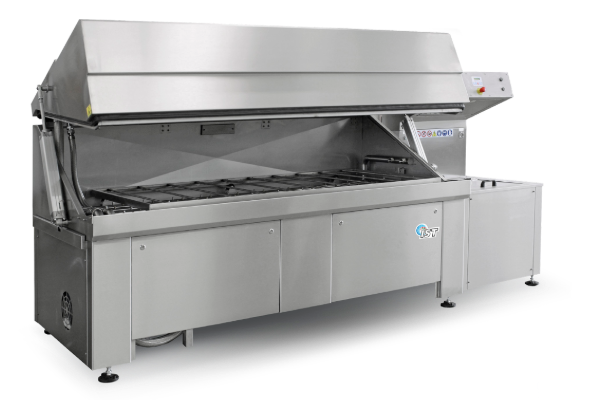
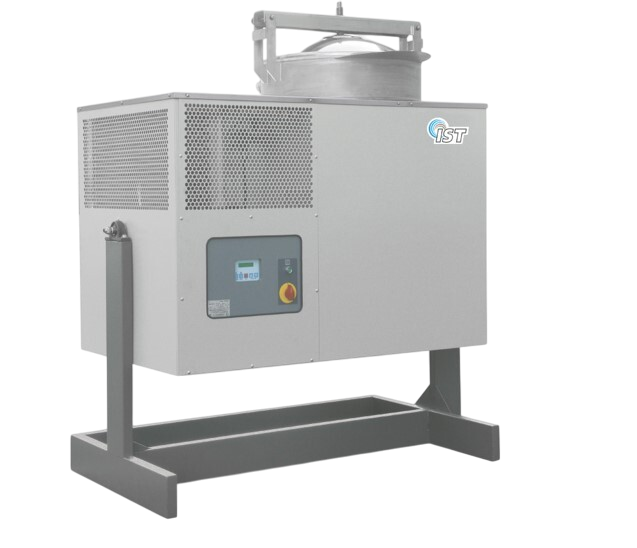
NexGen’s solvent recovery units separate and purify used solvents, reducing disposal volume while reclaiming materials for reuse.
NexGen’s water recovery systems transform wastewater into reusable clean water, recovering up to 95% of the water contained in production waste.
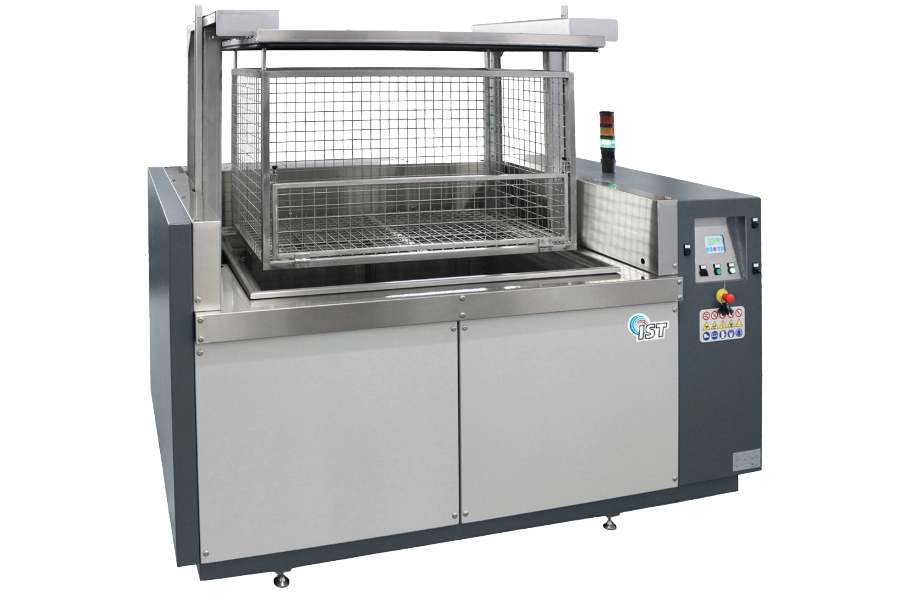
Designed to clean cylinders, ink trays, pumps, and components efficiently and safely, each system is available in solvent-based, water-based, and ultrasonic configurations.
These systems are built for facilities that want to eliminate manual waste handling and optimize their environmental performance at scale.
Our systems are engineered to help manufacturers recover resources, reduce waste, and operate more efficiently through, advanced solvent recovery, water recovery, and advanced parts cleaning technology.
Smart control systems and PLC integration provide total process visibility and seamless plant-wide operation.
Every NexGen system is engineered to reduce waste, recover resources, and improve operational efficiency.
Built on decades of experience in industrial cleaning and recovery systems, NexGen supports a wide range of manufacturing sectors with proven, process-driven solutions.
Answers to the questions we hear most often about solvent distillation, recovery, and on-site reuse.
ROI depends on factors such as the volume of solvent used, the cost of virgin solvent, disposal costs, and local regulations. In many industrial applications, solvent recovery can reduce operating costs by 70 to 80%, with payback in 6 to 18 months.
Regulations vary by region, but generally include:
Yes. If the solvents in a mixture have similar boiling points, they can be distilled together at a single heating temperature and recovered as a blend.
If the solvents have very different boiling points, they can still be recovered by running distillation cycles with different heating intervals, one for each boiling point. The solvents evaporate in sequence, from the lowest boiling point to the highest.
Distillation is a physical process, not a chemical one. The liquid is heated to its boiling point, and the vapors that form are condensed back into a liquid. No chemical reaction takes place. The substance only changes state (liquid → vapor → liquid), which separates the components without changing the chemical composition of any of them.
As a result, a solvent can be distilled practically indefinitely.
The most widely used technologies include: